by DavidFraser | May 2, 2012 | Leadership, Organizational Learning, Personal Mastery, Systems
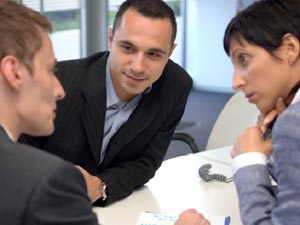
The meeting starts in the late afternoon—to prepare for the big one the following day. The purpose is to “spin” the numbers to get the outcome we want in the meeting tomorrow; to construct an argument based on the data to influence the other side; to get them to agree...
by DavidFraser | Apr 25, 2012 | Change, Leadership, Learning, Organizational Learning, Personal Mastery, Wisdom
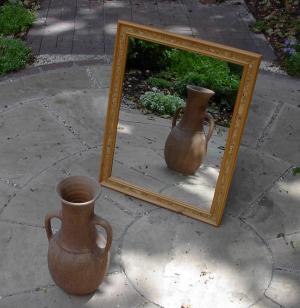
Messing about with key phrases on Google such as “change for leaders”, it’s very striking that most of what comes up is about doing change to other people—organizations, employees and so forth, usually by or on behalf of various corporate bodies or consultancies. It’s...
by DavidFraser | Apr 16, 2012 | Leadership, Learning, Organizational Learning, Organizations
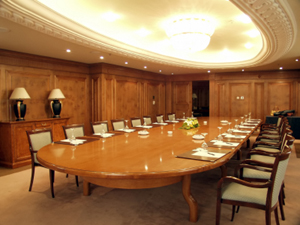
When it comes to a strategy or learning day, we’re used to the practice of “going off-site” to a venue away from the usual workplace. Our intention is to get away from the distractions of the office so that quality, uninterrupted time is spent on the subjects at...

by DavidFraser | Apr 10, 2012 | Change, Communication, Leadership, Learning, Organizational Learning, People Magic, Personal Mastery, Wisdom
Progress on anything challenging typically needs a balance of head and heart perspectives; some emotional intelligence alongside the logic and rationale of the numbers and the processes. Neither on their own will be sufficient. But where to start? Where to meet the...
by DavidFraser | Feb 25, 2012 | Change, Inspiration, Leadership, Organizational Learning, Personal Mastery
I lately set up a new discussion group on LinkedIn called “Personal Mastery for the Inspirational Leader.” You can join the group here. Well, that’s not the while truth. The group began as “Personal Mastery for the Resourceful Leader”...

by DavidFraser | Feb 22, 2012 | Change, Leadership, Organizational Learning, People Magic, Relationship Skills
We all belong to clusters of people with something in common: values, beliefs, aims, norms of behavior, and more. We could call these clusters “tribes,” and in fact, we belong to lots of them—families, friendship groups, workplaces, supporters of teams, members of...
